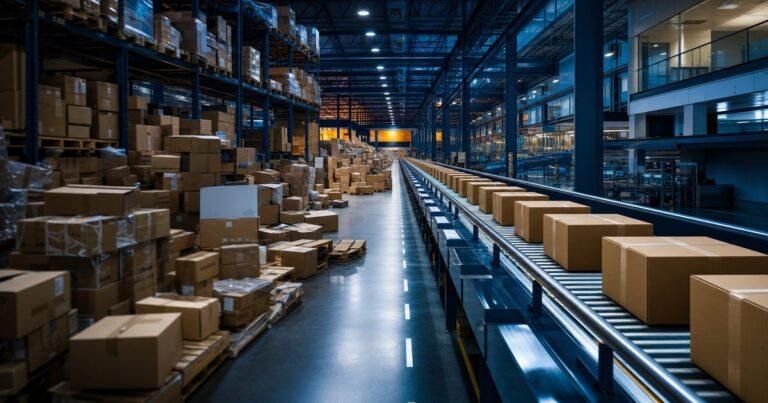
The hidden costs of in-house fulfillment are often overlooked as beauty brands scale and try to maintain full control over operations.
For beauty brands, in-house fulfillment often incurs hidden costs that can erode profit margins and impede growth, particularly as order volumes increase and customer expectations rise. These costs arise from the inherent inefficiencies that emerge when scaling internal operations, which might initially seem cost-effective but become problematic over time. Mendtronix observes that these overlooked expenses consistently surface, quietly impacting a brand's financial health and operational scalability.
As a growing beauty brand, it’s natural to want hands-on oversight of every part of your business, including fulfillment and returns. Early on, managing these processes internally can feel efficient and cost-effective. However, as order volume increases and customer expectations rise, in-house fulfillment often introduces inefficiencies that quietly erode margins and slow growth.
At Mendtronix, we’ve partnered with beauty brands at every stage of growth and consistently see the same challenges surface over time. Below are the most common in-house fulfillment pitfalls and what they are truly costing brands in time, resources, and missed opportunities.
What are the true costs of in-house storage and labor?
In-house fulfillment is often perceived as “free” because it’s handled internally. In reality, every square foot of warehouse space, every packing material, and every labor hour has a measurable cost.
As inventory grows, brands frequently pay for excess storage capacity or inefficient layouts. Labor costs increase as fulfillment tasks pull staff away from higher-value work.
The impact:
Paying for underutilized space, carrying fixed labor costs regardless of volume, and sacrificing time that could be spent on marketing, product development, or customer acquisition.
How do slow order turnaround times impact businesses?
Today’s consumers expect fast, accurate delivery. When fulfillment is not your core competency, processing delays become common as teams juggle multiple responsibilities.
Without optimized workflows or dedicated fulfillment staff, even minor spikes in demand can slow order turnaround and create fulfillment backlogs.
The impact:
Lower customer satisfaction, reduced repeat purchases, increased support inquiries, and higher risk of chargebacks or negative reviews.
What are the consequences of inefficient returns management?
Returns are unavoidable in the beauty industry. Shade mismatches, product reactions, and preference changes are all part of the customer experience.
Managing returns internally without a dedicated system often leads to delays, lost inventory visibility, and inconsistent restocking processes.
The impact:
Unprocessed returns tie up inventory, refunds take longer than expected, customers become frustrated, and opportunities to recapture value through restocking or refurbishment are missed.
What are the common scaling challenges in fulfillment?
As order volume increases, fulfillment complexity rises exponentially. What works at 50 orders per week rarely scales effectively at 500 or more.
Brands often respond by adding staff, purchasing new equipment, or implementing systems that are costly to maintain and difficult to optimize long term.
The impact:
Rising labor costs, inconsistent fulfillment accuracy, higher error rates, and operational bottlenecks that limit scalability.
What are the hidden shipping costs of in-house fulfillment?
Many brands assume that handling fulfillment internally reduces shipping expenses. In reality, without access to negotiated carrier rates, per-package shipping costs are often significantly higher than expected.
Limited carrier options can also restrict delivery speed and flexibility.
The impact:
Higher cost per order, fewer competitive shipping options, and reduced ability to meet customer delivery expectations.
The Real Cost of In-House Fulfillment
These hidden costs of in-house fulfillment often compound as order volume increases and operations become more complex. Time spent picking, packing, shipping, and managing returns is time diverted away from growth-focused initiatives like brand marketing, influencer partnerships, and product innovation.
Outsourcing fulfillment to an experienced partner like Mendtronix doesn’t eliminate control. Instead, it shifts operational responsibility to systems designed for efficiency, accuracy, and scalability. This allows internal teams to focus on strategic priorities while maintaining consistent service levels.
Industry research from APICS highlights how fulfillment inefficiencies can significantly impact operational margins and long-term profitability, particularly for growing consumer brands. Brands that outgrow DIY fulfillment often benefit from outsourced fulfillment services and structured returns management solutions to scale efficiently.
How can Mendtronix help reduce fulfillment costs?
Mendtronix helps businesses reduce fulfillment costs by providing scalable, cost-effective fulfillment and returns solutions designed specifically for beauty brands. We assist companies in reducing operational costs, improving delivery speed, and maintaining a consistent customer experience as they grow. If you’re evaluating whether in-house fulfillment is still serving your business, our team can help you assess your current operation and identify opportunities for improvement.
If you’re evaluating whether in-house fulfillment is still serving your business, our team can help you assess your current operation and identify opportunities for improvement.
👉 Request a FREE Estimate Now