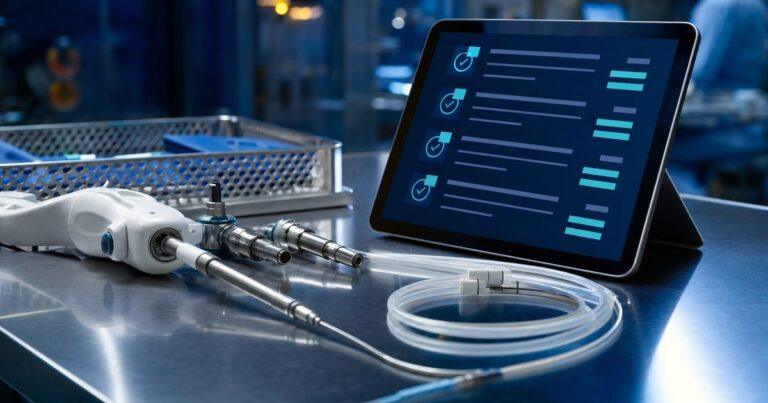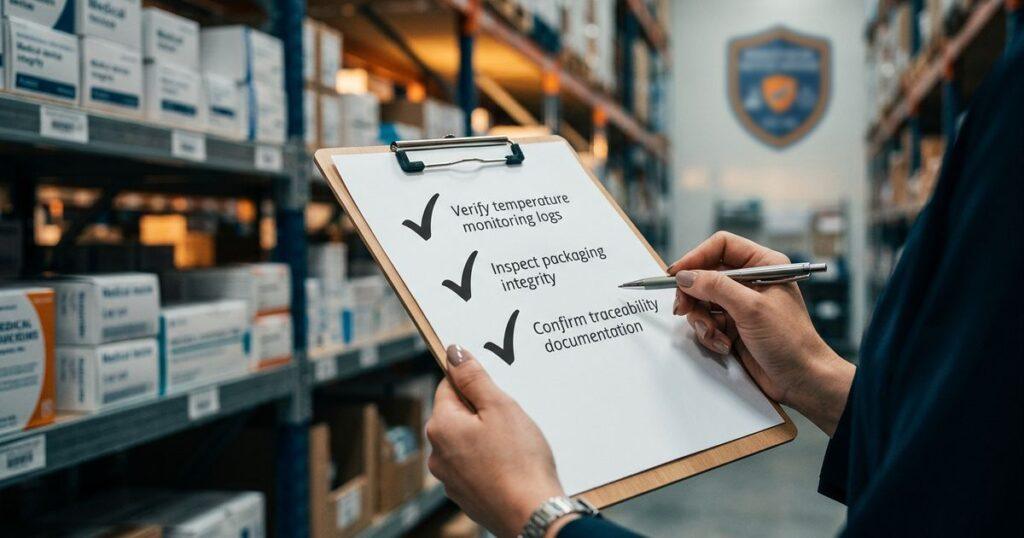
Outsourcing logistics for a medical device brand is not the same decision as outsourcing logistics for a typical ecommerce brand. A missed shipment for a consumer product is an inconvenience. A traceability gap, a mishandled lot, or an undocumented storage condition for a regulated medical device can trigger a recall, a failed audit, or a regulatory finding. That is why the first question to ask any prospective 3PL is not “can you ship this,” but “are you actually built to handle regulated medical devices.”
ISO 13485 certification is the clearest signal of that readiness. It is the internationally recognized quality management standard specifically for medical devices, and a logistics partner that holds it — rather than a generic warehousing certification — has already been audited on the processes that matter most for your product: traceability, document control, corrective action, and controlled storage and handling.
Six questions to ask before you sign
1. Can they show you their ISO 13485 certificate and audit history?
Ask for the certificate directly, along with the name of the certification body and the date of the most recent audit. A legitimate ISO 13485-certified 3PL will produce this without hesitation. Vague answers or a certificate that is several years past its recertification date are red flags.
2. Are they FDA registered as a facility?
ISO 13485 certification and FDA establishment registration are related but separate. If your device requires FDA-registered handling, confirm your 3PL’s facility is registered with the FDA, not just generally “compliant.”
3. Can they demonstrate lot-level traceability?
Ask how a specific lot or serial number is tracked from receiving through storage, kitting, and shipment. You should get a specific answer describing their inventory system’s traceability fields — not a general statement about “accurate inventory.”
4. What are their kitting and assembly controls?
If your product requires kitting, ask how work instructions are controlled, how components are verified before assembly, and how deviations are documented. This is one of the most common places compliance breaks down when a brand kits in-house without formal controls.
5. What insurance and liability coverage do they carry?
Regulated products carry higher liability exposure. Confirm coverage levels are appropriate for the value and risk profile of what you are shipping.
6. Can they provide references from other medical device or healthcare clients?
A 3PL with real medical device experience should be able to point to other regulated clients, not just general ecommerce references.
Red flags to watch for
- A 3PL that describes itself as “medical device friendly” without holding ISO 13485 certification
- Inability to produce documentation on request
- No dedicated process for handling deviations, complaints, or non-conforming product
- Generic ecommerce fulfillment pricing that doesn’t reflect the added compliance overhead of regulated handling
How Mendtronix meets these criteria
Mendtronix is an ISO 13485 certified, FDA-registered logistics partner based in San Diego, CA, built specifically around the compliance requirements medical device and healthcare brands need from a 3PL: documented traceability, controlled kitting and assembly, and audit-ready processes at every stage of warehousing and fulfillment.
If you’re currently vetting logistics partners for a regulated product, we’re happy to walk through our certification, audit history, and process documentation directly — reach out to our team to start the conversation.