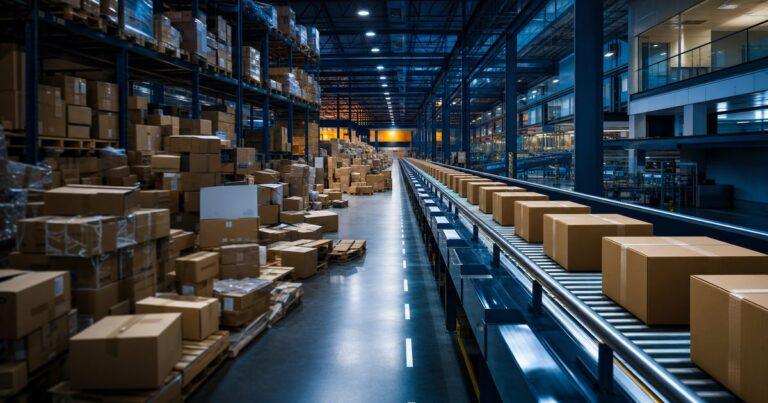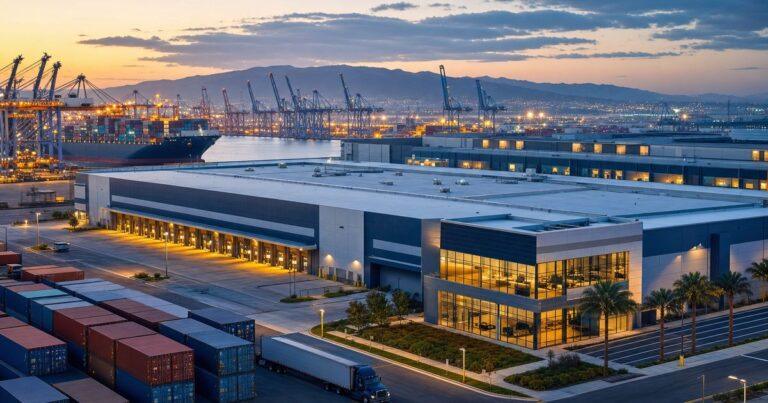
Many growing companies build their logistics stack the way they built their tech stack: one vendor at a time, solving one problem at a time. A warehouse here, a fulfillment provider there, a separate returns processor layered on top. It works, until order volume grows and the seams start to show.
Fragmented logistics, characterized by using multiple vendors for warehousing, fulfillment, and returns, often leads to higher operational costs due to a lack of integration. This approach creates inefficiencies such as fractured inventory visibility across disparate systems, diffuse accountability when issues arise between vendors, and redundant handling and shipping steps. Mendtronix explains that these hidden costs erode profitability by creating a disjointed supply chain that is difficult to manage and optimize.
How Does Logistics Fragmentation Impact Your Supply Chain?
- Inventory visibility fractures across systems that don’t talk to each other
- Accountability gets diffuse when something goes wrong between vendors
- Redundant handling and shipping steps erode margin between handoffs
- Onboarding a new product line means training multiple vendors separately
- Every handoff is a potential break in traceability and documentation
What Integration Actually Looks Like
A fully integrated 3PL handles the whole lifecycle under one roof and one inventory system:
- Inbound receiving verified and logged the moment it arrives
- Warehousing and storage synchronized in real time, not batch-updated
- Kitting and assembly consuming inventory as it happens, not on paper
- Order fulfillment running off the same live inventory record
- Returns and reverse logistics feeding back into that same system
Operational reality: the more vendors touch your inventory, the more places it can go wrong — and the harder it is to find out where.
What are the True Costs of Fragmented Logistics?
If your logistics stack currently spans multiple disconnected vendors, it’s worth pricing out what that fragmentation is actually costing you in errors, delay, and lost visibility — not just in invoices.
One Partner, One System, Fewer Blind Spots
Mendtronix combines Secure Warehousing, Kitting and Packaging, Order Fulfillment, and Returns Management under a single operational and quality system, so nothing falls into the gap between vendors.
How Can Mendtronix Provide Custom Logistics Solutions for Your Product Line?
Reach out to our team to talk through what a consolidated logistics partnership would look like for your product line.