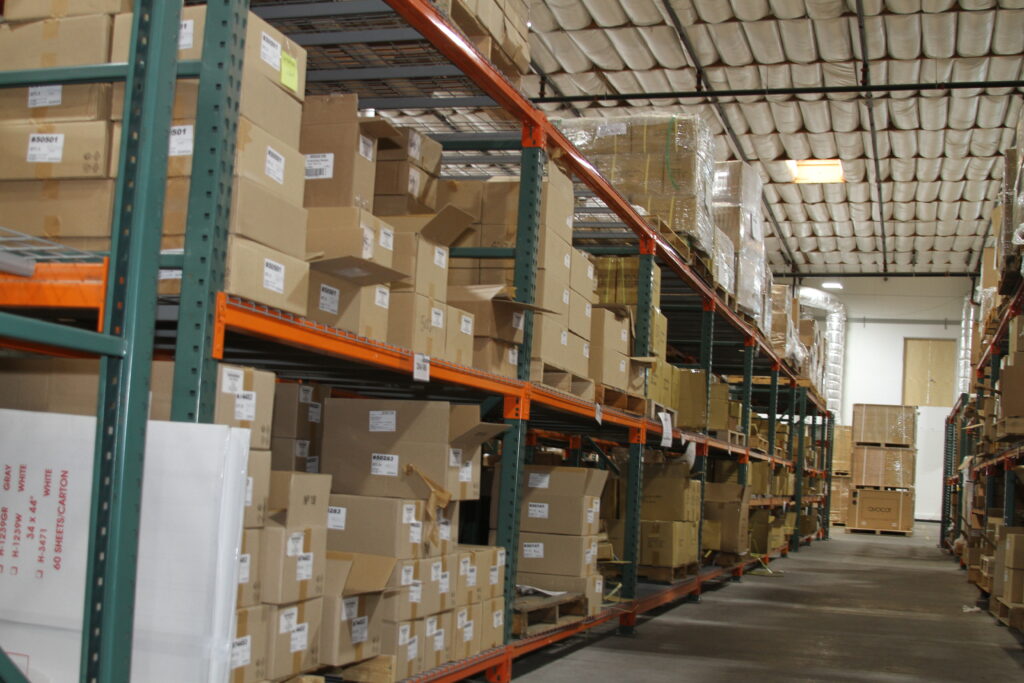
Returns are no longer a minor operational inconvenience. For companies handling regulated, high-value, or complex products, inefficient returns management creates a ripple effect across costs, customer satisfaction, and long-term profitability. Manual processes, disconnected systems, and unclear workflows slow refunds, delay replacements, and prevent businesses from recovering value from returned goods.
An optimized returns management process is not just about processing items faster. It is about protecting margins, maintaining compliance, and preserving customer trust. This is why many organizations are investing in structured Returns Management (RMA) Services rather than handling returns internally.
Why Inefficient Returns Management Is a Growing Problem
Many organizations still rely on spreadsheets, email chains, and siloed departments to manage returns. As order volumes grow, these outdated processes quickly become unsustainable. Without a defined RMA framework, returns quickly turn into an operational bottleneck.
Common challenges include:
- Manual intake and inspection processes that consume excessive labor
- Limited visibility into return status and root causes
- Delayed refunds and replacements that frustrate customers
- Poor tracking of refurbishable or resalable inventory
- Inconsistent documentation that increases audit and compliance risk
When returns are handled reactively instead of strategically, they drain operational resources and reduce overall efficiency. This is often the point where outsourced RMA services become a necessity rather than an option.
The True Cost of Manual and Disconnected Returns Processes
Inefficient returns management drives up costs in ways that are often underestimated.
Processing delays increase labor expenses, tie up warehouse space, and create inventory blind spots. Returned products sit idle while teams struggle to determine disposition, whether that is restocking, repair, refurbishment, or disposal.
At the same time, slow refunds and replacements erode customer loyalty. In industries where trust and reliability matter, especially medical and regulated sectors, this damage can be difficult to reverse. A well-managed returns management process directly impacts customer retention.
How Inefficient Returns Impact Profitability
When returns are not managed effectively, businesses lose value at multiple stages:
- Resalable products miss their recovery window
- Repairable units are written off prematurely
- Excess inventory inflates carrying costs
- Poor data prevents process improvement
Without clear insight into why products are returned and how they are handled, companies cannot reduce return rates or improve product quality upstream. Structured Returns Management (RMA) Services provide the visibility needed to protect margins.
The Compliance and Risk Factor
For regulated industries, returns management is closely tied to compliance. Missing documentation, inconsistent inspections, or improper handling can expose organizations to regulatory penalties and reputational damage.
A structured returns management process ensures:
- Documented intake and inspection workflows
- Traceability for serialized or regulated products
- Clear audit trails for quality and compliance reviews
- Controlled handling of sensitive or medical devices
Compliance is not optional, and inefficient returns processes increase exposure unnecessarily. Partnering with a provider experienced in compliant RMA operations reduces both risk and audit burden.
How Optimized Returns Management Solves These Challenges
A modern returns management strategy centralizes workflows, standardizes inspections, and provides real-time visibility into returned inventory.
Effective solutions include:
- Dedicated RMA workflows with defined disposition paths
- Integrated inventory tracking for returned items
- Quality control checkpoints aligned with compliance requirements
- Data-driven insights to reduce future returns
By treating returns as a value recovery process rather than a cost center, businesses can improve efficiency while protecting profitability. Purpose-built Returns Management (RMA) Services make this possible at scale.
Conclusion
Inefficient returns management strains resources, increases costs, and damages customer relationships. As return volumes grow and regulatory expectations tighten, outdated processes become a serious operational risk.
Investing in structured, compliant, and scalable returns management is essential for organizations that want to recover value, protect margins, and maintain customer trust.