Most large-scale 3PLs are built around standardized processes designed for maximum throughput on relatively uniform products. That works for many e-commerce brands. It quickly breaks down for products that need custom kitting, regulated handling, or specialized assembly.
Where Standardized Fulfillment Falls Short
- Generic pick-and-pack workflows that don’t match a multi-part kit configuration
- No built-in lot traceability or serialization controls for regulated products
- Limited ability to support custom unboxing or branded packaging at scale
- One-size-fits-all processes that treat every product the same way
What a Bespoke Platform Adds
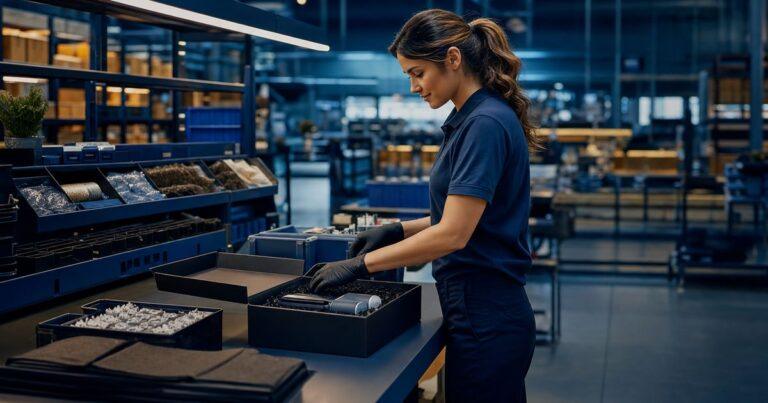
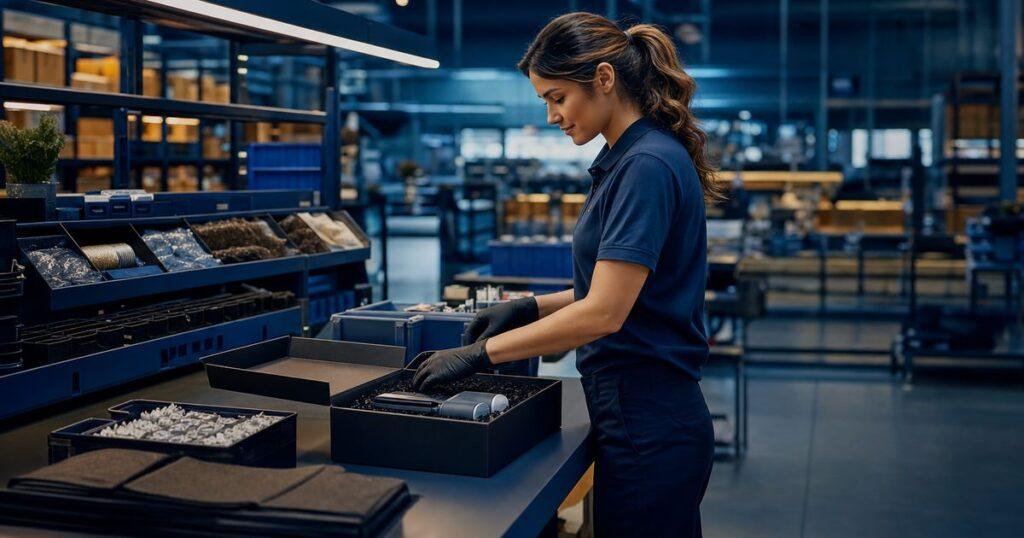
- Custom kitting and assembly built around your product’s exact configuration
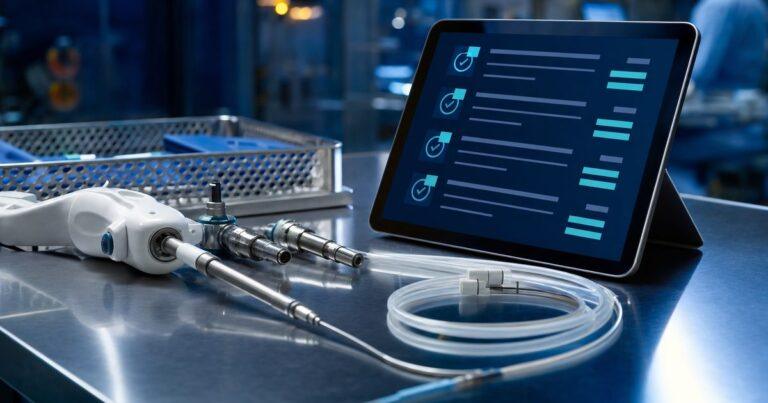
- Tailored traceability controls built into the workflow for your specific product line
- Flexible packaging and branding without forcing a generic template onto your product
- Technical assembly support, not just pick-and-pack, for products that need it
Operational reality: the advantage of a bespoke platform isn’t just customization — it’s customization that still scales as volume grows, rather than becoming a manual bottleneck.
Conclusion
If your product doesn’t fit neatly into standardized fulfillment, a bespoke platform isn’t a luxury. It’s the difference between a process built for your product and a product forced into someone else’s process.
Built Around Your Product, Not a Generic Template
Mendtronix’s Kitting and Packaging, Contract Assembly, and Technical Services teams build workflows around your specific product, not a one-size-fits-all process.